
Every MySQL community gathering brings together different experiences: building applications, managing databases, troubleshooting performance, contributing code, or helping someone get started. During September and October, Heather VanCura connected with communities in Brazil and Europe to discuss MySQL’s future and the ways users and contributors can take part.
Bringing Communities Together in São Paulo
The Brazil visit opened with a joint Java and MySQL community gathering in São Paulo. Bringing the two groups together created space to discuss shared interests in open-source development, education, and collaboration—and how local communities help people find their way into larger ecosystems.
At the Brazil MySQL Conference, Heather focused on MySQL’s evolving approach to community participation, development, and governance. She discussed how community feedback has helped inform efforts to deliver new features to MySQL Community Edition and modernize the development model and expand opportunities for collaboration and contribution. The session also highlighted efforts to unify and grow the MySQL Ecosystem through Community Outreach programs, such as the Planet MySQL Ecosystem Showcase, event calendar, and blog aggregator.
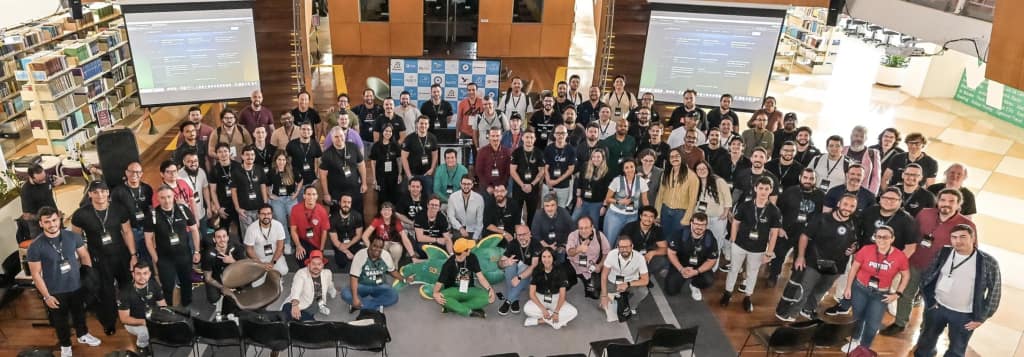
For people working with MySQL, these topics connect with practical questions: how to follow its direction, share experience, and find opportunities to get involved by participating in the MySQL GitHub repository, issues and discussions.
The Brazil community is particularly passionate about education and connecting students with industry opportunities. Many local students attended the event and expressed interest in learning more about MySQL.
MySQL Within the Broader Open-Source Conversation
The Brazil program also included IA Brazil and The Developer Conference (TDC) São Paulo, where Heather explored how open standards and open source support developers working across data platforms and AI applications.
At IA Brazil, the discussion focused on connecting fragmented data and building trust in AI through interoperability, transparency, and governance. At TDC, Heather examined how shared specifications and open-source implementations support developer choice and flexibility, drawing on Oracle’s leadership of the Java, and MySQL communities, upstream contributions to hundreds of open source projects, and enterprise expertise operating and building on top of standards and open source technologies.
These sessions placed familiar database concerns—connecting systems, understanding implementations, and adapting to changing requirements—within a broader conversation about software development.
Community and Technical Discussion in Europe
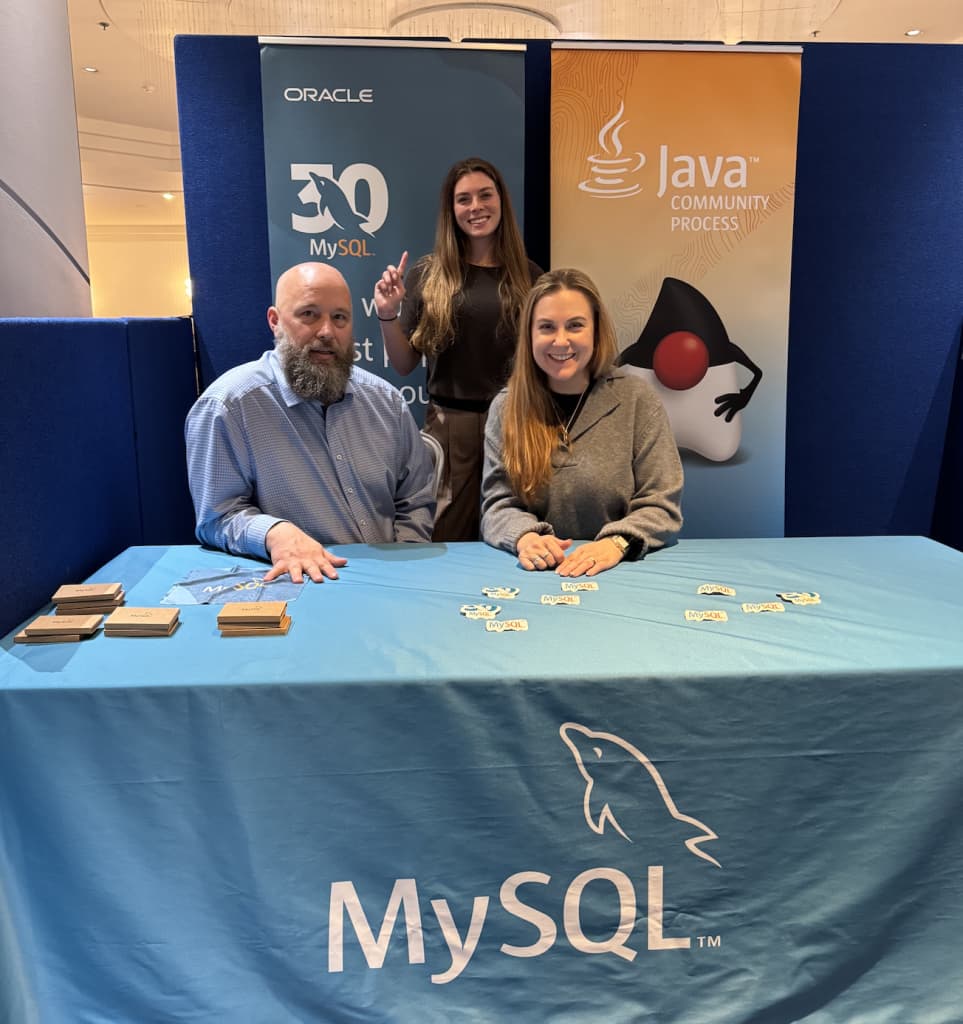
In Europe, there was an opportunity to connect with several MySQL Community users and discuss valuable enterprise experience and feedback using MySQL at enterprise scale. At Oracle’s Amsterdam office, the MySQL Community Meetup brought together community updates and technical discussions. Heather shared developments in community engagement, roadmap transparency, and opportunities for users, contributors, and partners to participate.
In Amsterdam, there was excitement and anticipation about the recently announced MySQL Belgium Days and MySQL Ecosystem FOSDEM devroom. Heather also had dinner with MariaDB to discuss opportunities for closer collaboration and a more unified MySQL ecosystem.
Meeting the Wider Open-Source Community
Community over Code in Glasgow provided another place to exchange ideas across many Apache Software Foundation projects. Heather’s contribution connected Java and MySQL with the people who sustain open-source ecosystems: developers, contributors, educators, user-group organizers, and community leaders.
Thank you to the organizers, hosts, speakers, and participants who made these gatherings possible. Whether you shared a technical question, described your experience with MySQL, or helped welcome someone new, you contributed to the conversation.
You can keep participating through your local MySQL user group and MySQL Community Discussions on GitHub. Questions, practical experience, and ideas all provide useful starting points.