
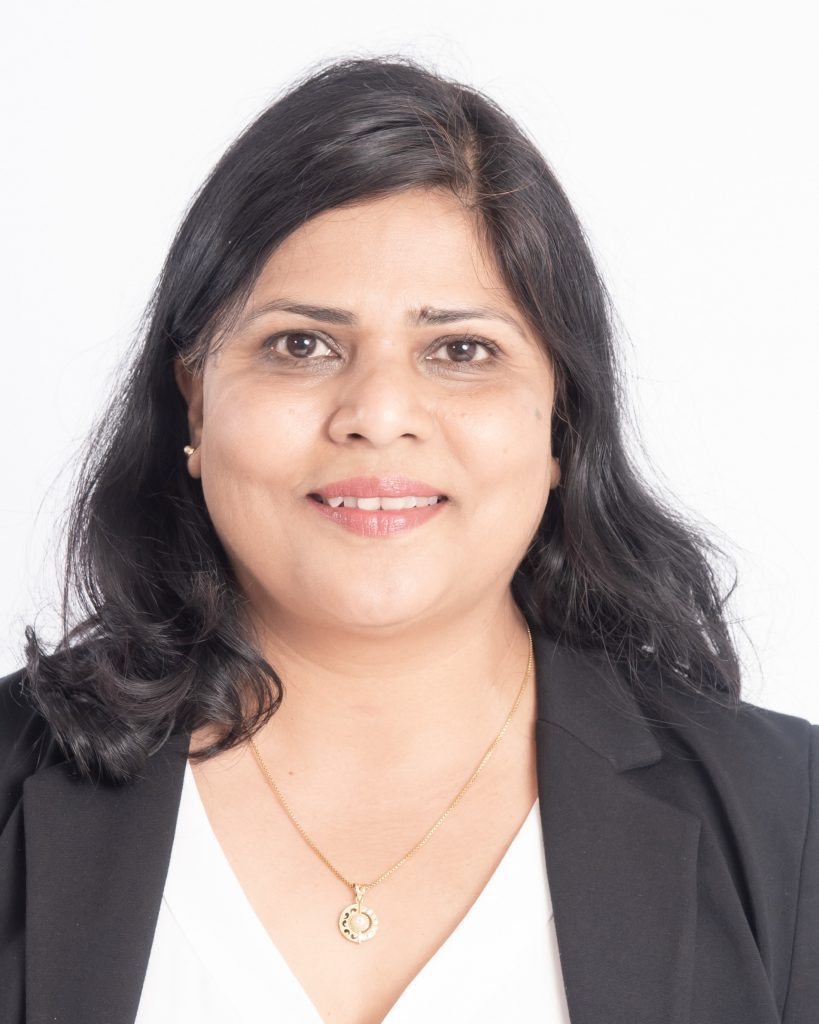
Amrita Sinha, Director, Software Engineering, Lowe’s
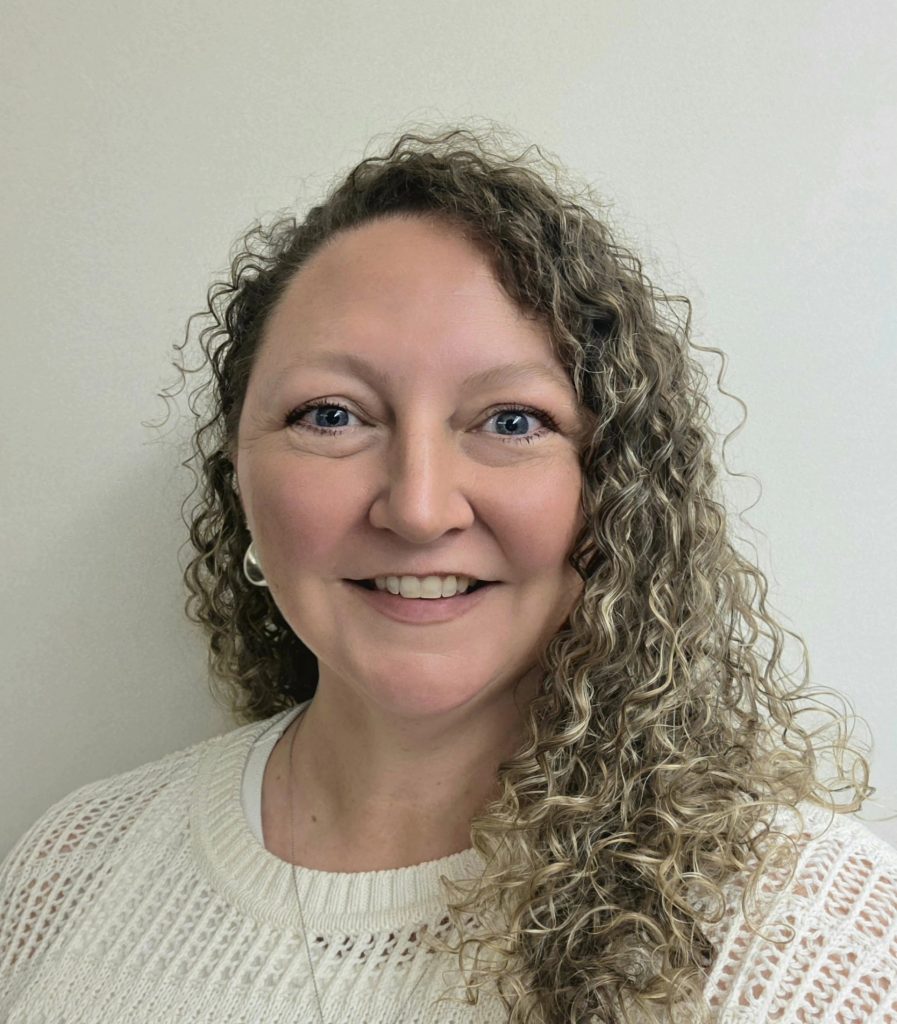
Misty Parker, Senior Product Manager,
Lowe’s
Driving Change
If you live in the U.S., you know Lowe’s as a top home improvement store where you can buy everything you need, from nails, bolts, and fasteners to seasonal products, power tools, and appliances. Whether you’re buying a box of nails or a major appliance, your purchase is made possible by an impressive array of financial operations and the technology, data, and analytics that support them.
A Good Problem to Have
Being a FORTUNE® 100 company with over $83 billion in sales and approximately 16 million customer transactions weekly is a significant success story. But success can create strain if your underlying systems and architecture weren’t designed for it. As is the case with many companies, Lowe’s finance landscape had grown organically over decades, resulting in multiple technologies, dispersed data, and hundreds of integration points, and disparate reports. This meant that Lowe’s teams were spending a disproportionate amount of time sourcing ERP data in multiple systems and then wrangling it, rather than being able to do the analysis they needed to get timely answers to the business. The need to modernize was clear.
Initially, Lowe’s planned to custom-build a finance data hub to meet their transformation needs. However, about nine months into the project, challenges with data volumes, frequent refresh requirements, and integration complexity led them to look at other options, and they chose Oracle Cloud technologies, including Oracle Fusion AI Data Platform (FAIDP, formerly Oracle Fusion Data Intelligence) and Oracle Autonomous AI Warehouse to create a centralized, cloud-based reporting and analytics platform.
Implementation Journey
Lowe’s conducted a thorough viability assessment, together with the Oracle Analytics Customer Excellence (CEAL) team and KPMG, to identify whether FAIDP could serve not only as an analytics platform, but more broadly as Lowe’s Oracle Fusion finance data hub. This assessment was both technical and conceptual, blending strategic thinking with practical validation, supported by ongoing feedback between technical experts and key stakeholders. Working closely with Oracle product development, they collaboratively planned and validated the technical architecture, including the use of FAIDP’s prebuilt star schemas, Oracle AI Lakehouse, and Oracle Cloud Infrastructure (OCI) services to handle Lowe’s high volume.
Throughout the program the teams remained outcome-focused, an effective approach that sustained them from the initial assessment through design, build, and go-live phases, helping ensure that the implementation was technically robust and aligned with evolving business needs. Highlights of the teams’ successful collaboration include delivering:
- Fusion AI Data Platform
- Seamless out-of-the-box analytics through prebuilt dashboards and data models, which Lowe’s used extensively, reducing the need for custom reports.
- All three teams worked together to extend the FAIDP solution to support two main use cases: specialized reporting, which required data augmentations and semantic model extensions; and high-frequency data integration to downstream systems—critical for faster, more reliable month-end closing and operational processes.
- Self-Service and Data Consistency
- The solution empowered hundreds of users to conduct self-service reporting from a single, trusted data model, eliminating silos and inconsistencies.
- New monitoring and alerts enabled teams to track custom data augmentations and integration processes.
- Performance at Scale
- The implemented central data platform handled large-scale ETL activities, supporting over 100 million daily records and multiple automated intra-day refreshes, to facilitate analytics and data distribution.
- Collaboration and Iteration
- Close collaboration among the teams was essential, especially when encountering challenges such as product feature changes and high-volume stress tests. Lowe’s, KPMG, and the Oracle Analytics Center of Excellence (CEAL) team conducted multiple onsite sessions and held regular weekly connects to review plans and progress.
- Together the teams identified necessary product enhancements, which they discussed in ongoing roadmap reviews. Critical functionality—such as improved frequent data refresh performance—was developed and released during the program.
- The adaptive, iterative approach was underpinned by open communication and each group’s commitment to success.
Enabling Culture Change
Transitioning to the new platform took more than just technology—it required a mindset shift.
Users had previously leveraged Oracle Fusion ERP queries as data extraction processes to review data elsewhere, and hadn’t seen analytics as a means to deeper answers and problem-solving. Moving them from that perspective to believing in the value of self-service analytics took dedicated, ongoing effort. Lowe’s dove in with eyes wide open, using lessons from the upfront maturity assessment to help set direction and drive change. Feedback and experimentation with self-service features were systemically encouraged. The teams created comprehensive communication plans and delivered tailored training; they engaged users in acceptance testing and regular feedback loops; and offered hands-on discovery sessions and practical demonstrations.
Key to the shift was focusing on analyzing the “why” behind reporting needs, connecting the dots between what people were doing day-to-day and how analytics could enable them to do it faster and more easily. That in turn helped them see FDI as an embedded, value-driving part of everyday operations—rather than an afterthought or technical hurdle.
Winning with Analytics
The result is a unified data and analytics solution that enables Lowe’s to replace spreadsheets and manual reports with interactive dashboards and self-service analytics, moving from the previous landscape of scattered, locally stored data and reports to a single source of truth. Business users across Lowe’s can now access trusted financial data, empowering them to gain insights independently and make informed decisions faster, which has:
- Streamlined month-end close cycles and made reconciliation processes more reliable, directly supporting audit and SOX controls which enabled rigorous financial data validation between Oracle Fusion Cloud ERP and FAIDP.
- Increased user satisfaction and adoption, with hundreds of users onboarded on a performant, cloud-managed platform.
- Empowered users to get the insights they need and to drill to transaction-level detail without compromising performance.
- Opened up enterprise opportunities for value from cross-functional analytics and new use cases for finance and beyond.
As one Lowe’s senior executive commented, “Analytics is the real benefit of this program – it gets us better insights for decision making.” This sentiment marked a significant shift from focusing on operational reporting to recognizing analytics as a strategic driver of new value.
Looking Forward
Lowe’s FDI implementation, in collaboration with KPMG and Oracle, is a gold-standard example of digital transformation, combining rigorous planning; thorough change management, planning, and execution; careful attention to detail; thoughtful collaboration; ongoing user engagement; and an adaptive mindset to enable successful delivery.
But they’re not resting on their success and are already looking ahead to new analytics use cases, additional domains, and AI. They are currently exploring AI-powered capabilities through proof-of-concept initiatives with the Oracle AI Assistant, and are working with Oracle Consulting and the Oracle Analytics product teams on an AI maturity roadmap. One of their product leaders characterized their plans this way: “We’re already thinking about the next thing. But it’s really important to make sure our users are comfortable with the data structure, the data models, how the data is organized, and how they’re building today to be successful with AI capabilities in the future.”
Learn More
For more information, visit Lowe’s.com and the Oracle FAIDP website; and you can always ask questions in the Oracle Analytics Community.