


Rob Fowler
Senior Product Manager, Commvault
OCI File Storage with Lustre delivers robust, secure, and incredibly high-performance file systems, purpose-built for today’s most performance-intensive workloads. As a fully managed cloud service, it effortlessly scales up to multiple petabytes, all while offering enterprise-grade data protection and availability features.
You can rest easy knowing that Lustre Storage Targets are persistent volumes designed with built-in redundancy. This means they’re inherently protected against any potential faults, ensuring your data remains safe and accessible. However, it’s important to remember that this protection doesn’t extend to accidental deletions caused by human error or corruption stemming from applications or other environmental issues.
Commvault Cloud provides an additional level of backup protection for your critical data. This enables you to perform entire file system, directory, or file-level backups and restores. Commvault is a leader in intelligent cyber resilience and data protection services, spanning a broad range of workloads across on-premises, public cloud, and SaaS deployment models. The Commvault Cloud solution lets companies adopt flexible, affordable, and consistent file and application data storage and protection policies across hybrid storage strategies, known as Data Protection as a Service (DPaaS).
Key benefits of Commvault Cloud backups for OCI File Storage with Lustre
- Distributed Backup and Restores: The Commvault solution performs file-level distributed backup and restore operations that run in parallel on multiple data access nodes. This helps to balance the workload and enables more optimal performance.
- Fault-Tolerant Model: Commvault’s fault-tolerant model redistributes task loads if a data access node fails, enabling continued operation and protection.
- Preserved Settings: Retain file system settings such as file striping information, quotas, and extended attributes, including ACLs.
- Simplified Data Management: Manage all your Lustre data through a single console.
- Reporting: Commvault provides a variety of reports to manage your Lustre data.
- Backup Options: Select your preference for backup storage destinations, including OCI Object Storage, Commvault Cloud Air Gap Protect, or even on-premises using HyperScale X.
Commvault Cloud and OCI File Storage with Lustre Architecture Components
- OCI File Storage with Lustre: The data source for backups.
- Access Node: Lustre client with Commvault Lustre package for remote backups.
- Backup Gateway: Commvault server hosting deduplication services.
- Backup Destination: Your choosen storage location for backups.
Architecture using your own Oracle Object Storage
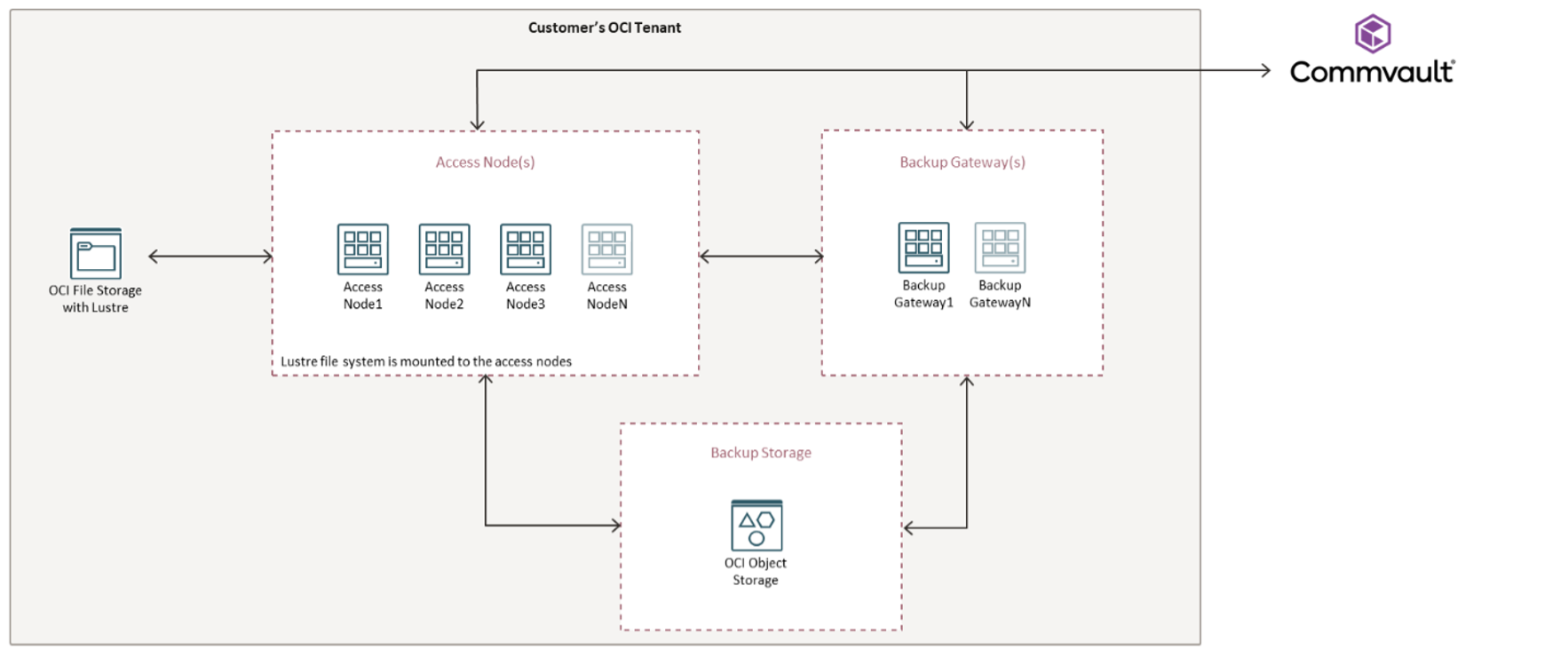
Figure 1 – Backups to OCI Object Storage
Architecture using Commvault Cloud Air Gap Protect in OCI
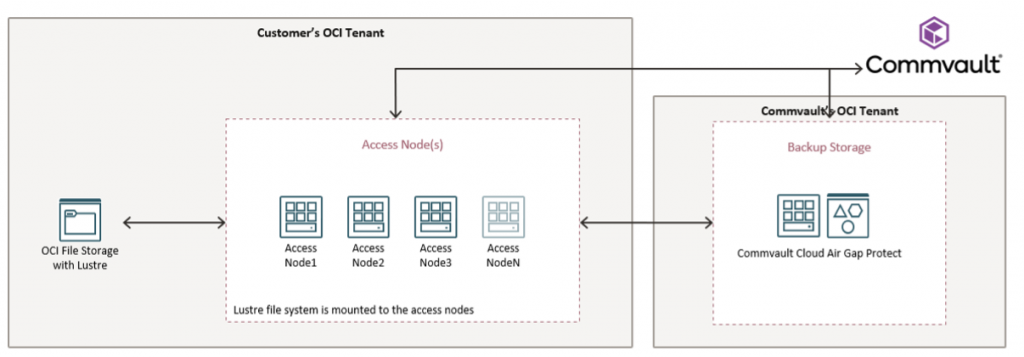
Figure 2 – Backups to Commvault Cloud Air Gap Protect
Backup Flow
On a schedule, the defined backup content within the Lustre mount(s) is scanned to identify new or changed data. The new or changed data is then read and deduplicated by the access nodes before being written to storage. Deduplication helps minimize the amount of data transferred through the access nodes, and all data is encrypted both in transit and at rest.
Recovery Flow
Select the data you wish to recover, and all access nodes work in parallel to recover the data either back to its original OCI File Storage with Lustre location, another location, or a different OCI File Storage with Lustre configuration.
Configuring Commvault Cloud Backups
Refer to the official documentation for more information: OCI File Storage with Lustre using Commvault
Get Started
- Get started today with Commvault Cloud: Data Protection Trial | Commvault
- Get started today with OCI: You can easily create a file system from the OCI Cloud Console, Terraform, CLI or APIs. To create a Lustre file system in the Oracle Cloud Console, simply navigate to Lustre File Storage. For more detailed technical information, consult the File Storage with Lustre documentation or reach out to OCI to discuss your file systems and aggregate performance requirements.
Additonal Resources
- Configuring Commvault Cloud Backups
- Fully Managed Lustre Storage in Cloud Announcement
- Deploy Lustre file systems in Oracle Cloud

Rob Fowler
Senior Product Manager, Commvault
Rob is a Senior Product Manager at Commvault, focusing on AI and unstructured data protection solutions.