
In today’s competitive market, customer loyalty is more crucial than ever. It boosts your revenue by encouraging repeat purchases, attracting new customers, increasing member engagement, and reducing sales costs. However, to really make an impact, businesses need to craft more meaningful and engaging experiences for their most loyal customers.
One effective way to do this is by entering a tiered loyalty program, which offers increasing rewards as customers move up through different levels of engagement. In this blog, we’ll explore how tiered loyalty programs work, their benefits, the different tier assessment models available in Siebel Loyalty, and how you can implement this strategy to not only keep customers but also build lasting relationships that fuel business growth.
How Tiered Loyalty Programs Work
In a tiered loyalty program, members receive enticing benefits as they ascend the tier hierarchy. Members begin at the base tier and can advance by earning qualifying points. Organizations may add additional criteria for tier upgrades along with the qualifying points, such as program tenure, transaction count, total spending, tier achieved in partner programs, and number of referrals.
Tiered loyalty programs offer different benefits at various levels, encouraging increased spending. These levels, often named bronze, silver, and gold, motivate customers to engage more deeply with the brand. For example, Hilton and American Airlines offer free sign-up loyalty programs that encourage ongoing purchases, allowing customers to accumulate rewards and advance through tiers.
Tiered loyalty programs typically consist of three levels, each offering increasingly exclusive rewards:
- Free or basic tier
- Mid-level tier
- Premium tier (for top spenders)
In addition, Siebel Loyalty allows organizations to create multiple tiers within a single class and multiple classes within a program, enabling them to categorize members based on various criteria. For instance, an airline’s program might differentiate members based on miles flown and overall activities performed with associated partners. Organizations can name each level to match their brand identity, enhancing personalization, while traditional names communicate the customer status effectively.
Key Advantages of this Program
Here are some key advantages of tiered loyalty programs, which can significantly enhance various industries, especially those using a tiered rewards system:
- Increased Engagement: Loyalty tiers motivate customers to stay connected with the brand. As they advance, they unlock valuable rewards, creating a gamified experience that fulfils their desire for recognition and priority services.
- Simplicity: Loyalty tiers clarify benefits by categorizing them based on levels of loyalty or spending, making it easier for customers to understand how to earn their rewards.
- Optimized Profitability: Tiers help manage discounts effectively, focusing premium benefits on higher tiers and maximizing the impact of discounts on valuable customers.
- Increase Your Earnings: Higher-tier members earn larger multipliers on both qualifying and / or non-qualifying points for the same spending as lower-tier members.
- Better Segmentation: Tiered loyalty programs facilitate customer segmentation based on preferences and perks, creating opportunities for personalized engagement.
- Customer Focus: Typically, 20% of customers account for 80% of revenue, so implementing a tiered loyalty program allows the host to prioritize these high-value customers and serve them in better way.
Key Benefits of this Program
Here are some key benefits for customers within loyalty tiers:
- Extra Points: Higher tiers allow members to earn additional points for the same transaction amount.
- Free Delivery: Highly valued in e-commerce, boosting member acquisition.
- Early Access: Exclusive experiences, such as early sales or limited collections, enhancing loyalty.
- Birthday Rewards: Free gifts, discounts, or bonus points.
- Extended Returns: Longer return periods and product guarantees for loyal customers.
- Special Events: Exclusive invitations to brand events for VIP tiers.
- Additional Discounts: Opportunities for earning bonus points or discounts on selected days.
- Tier-Up Incentives: One-time rewards for customers who reach a higher tier.
- Anniversary Rewards: Appreciation perks for maintaining tier status.
Tier Assessment Models in Siebel Loyalty
Loyalty program members earn qualifying and non-qualifying points through their activities. Qualifying points help members achieve statuses, such as Bronze, Silver, or Gold, by accumulating a specific number of points within a set timeframe. Non-qualifying points, on the other hand, can be used for redemption, charity donations, or point transfers. Tier assessments evaluate activities during the qualifying period to determine eligibility for tier changes.
Here are some tier assessment models:
- Anniversary: The qualifying period begins on the join date, and the point balance resets annually. Each member has an equal opportunity to accumulate points, ensuring fair processing for tier upgrades.
- Fixed Date: The qualifying period begins on a set date each year for all members, with balances reset to zero at the end of the period. This model could result in unequal point accumulation time for customers who join later during the first assessment, though subsequent periods offer equal timelines.
- Rolling Period: The qualifying period begins upon enrolment, maintaining a continuous balance without resetting. Members must continuously contribute to retain their higher tier, fostering engagement and repeat transactions.
- Relationship Tier Assessment: When a member reaches a specific tier, their relatives may change tiers automatically. For example, achieving Platinum might elevate a relative to Gold.
Comparing the various tier assessment models reveals the pros and cons regarding fairness for members based on their enrolment time, the processing load on the loyalty engine, and other factors. Organizations must conduct thorough analysis and should consider these aspects before selecting a specific tier assessment model.
Siebel Loyalty allows multiple-tier class setups within a loyalty program, enabling organizations to implement different tier assessment models for each class. For example, they can use the Anniversary tier assessment model for interactions with the host organization and the Fixed Date tier assessment model for activities with associated partners. We support all combinations of tier assessment models and their respective tier setups.
Now, let’s explore the tier assessment models with a couple of examples.
In this example, let’s consider the Fixed Date tier assessment model with:
- Tier period (TP) start date: March 1st
- TP end date: Feb 28th
- TP duration: 12 months
- Minimum tier length: 6 Months
- Qualifying period (QP) start date: Jan 1st
- QP end date: Dec 31st
- QP duration: 12 Months
- Base tier: 0 to 25,000 points
- Silver tier: 25001 to 50000 points
- Gold tier: 50,001 > points
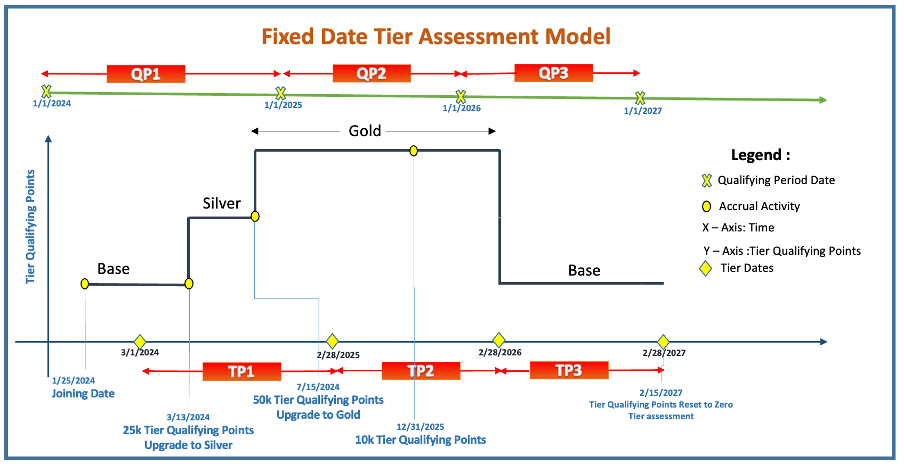
Image 1: An illustration of the fixed-date tier assessment model example for the specified TP, QP, and tier points.
Now, let’s explore the Anniversary tier assessment model with:
- TP and QP start date (Member’s enrolment date): Feb 15th 2024
- TP and QP start date: Feb 14th 2025
- TP and QP duration: 12 months
- Minimum tier length: 4 Months
- Base tier: 0 to 24,999 points
- Silver tier: 25,000 to 49,999 points
- Gold tier: 50,000 > points
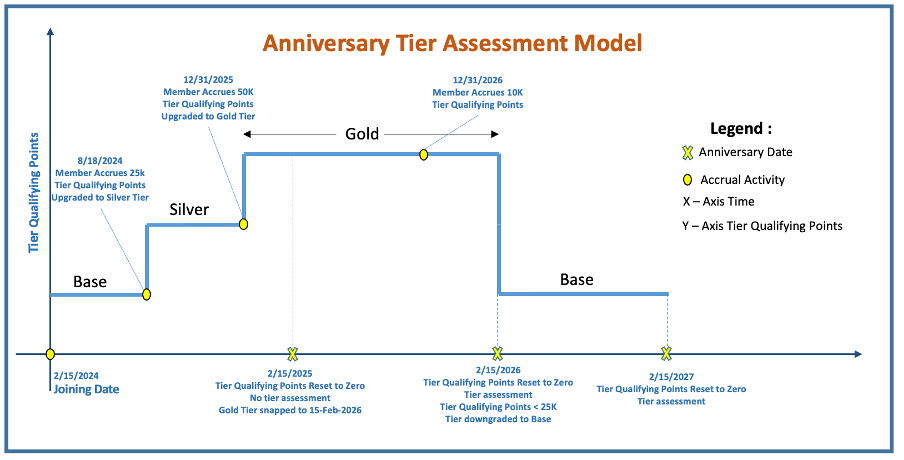
Image 2: An illustration of the Anniversary tier assessment model example for the specified TP, QP, and tier points.
We recommend not to change the tier assessment models after members join the loyalty program, as changes will only apply to new members and to existing members during tier updates.
Tiered Loyalty Program helps organizations to organise loyalty members in better way whereby the most loyal members reach to the highest level in the tier hierarchy and in a return enjoys additional higher tier related benefits.
For example, American Airlines follows the Fixed Date tier model, which starts from March 1st every year and their most commonly used tiered rewards based on loyalty points are as illustrated below.
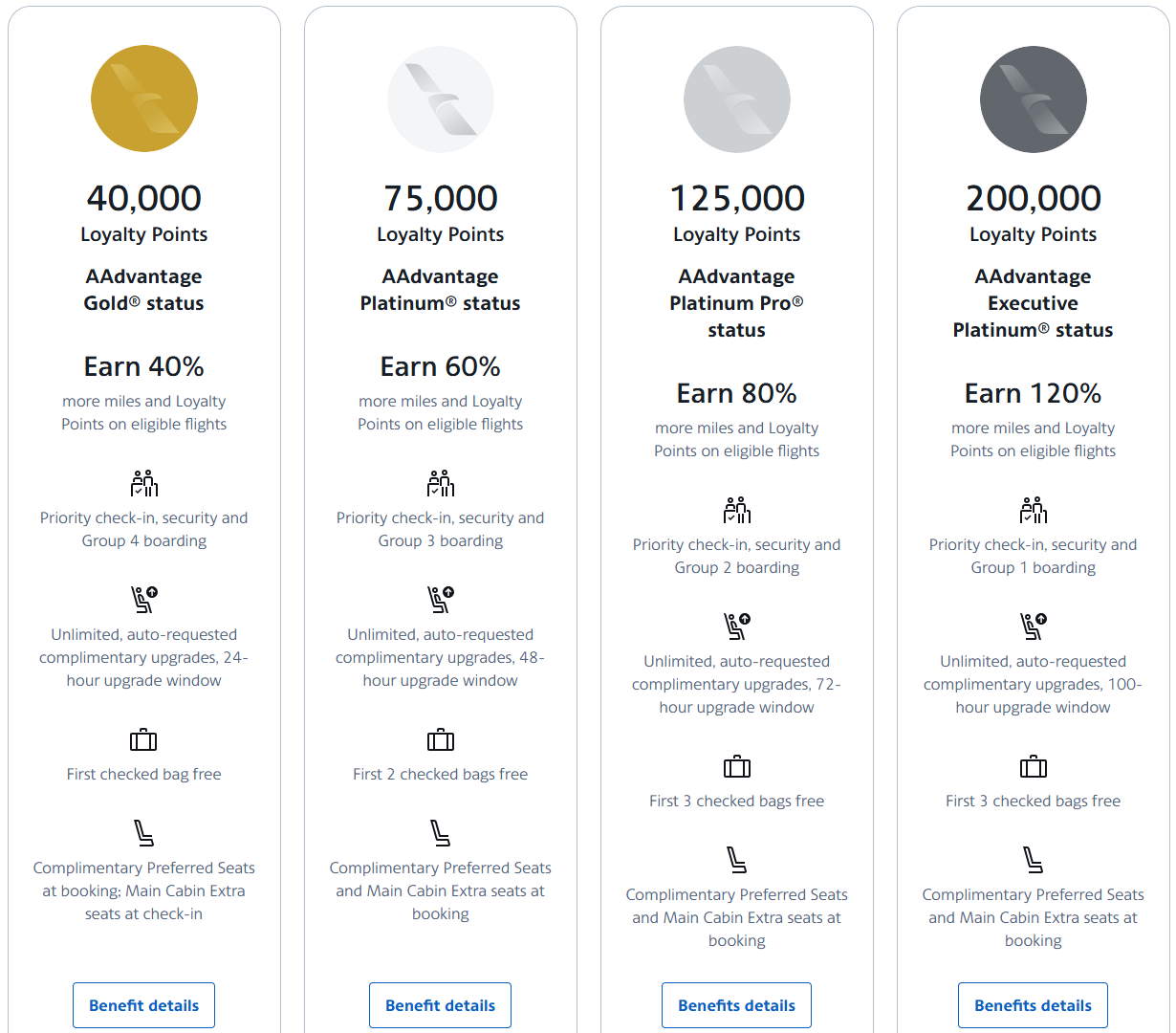
Image 3: The fixed-date tier assessment model rewards based on loyalty points (view source).
Tiered loyalty programs are the most prevalent across industries. For more information refer to the Siebel Loyalty documentation.